
Neuropessimism, the impossible ideology
Should we really trust brains?

Homo sapiens really has accomplished so much in this world. Somehow, in spite of evolving from animals that were only interested in socializing, territorial squabbles, and sex, we acquired an interest into a great variety of things that no previous animal ever cared for, and that interest has given us a lot of knowledge of how things work in this world, to fill this world with ourselves and our creations.
Our creations can be such rarefied things:
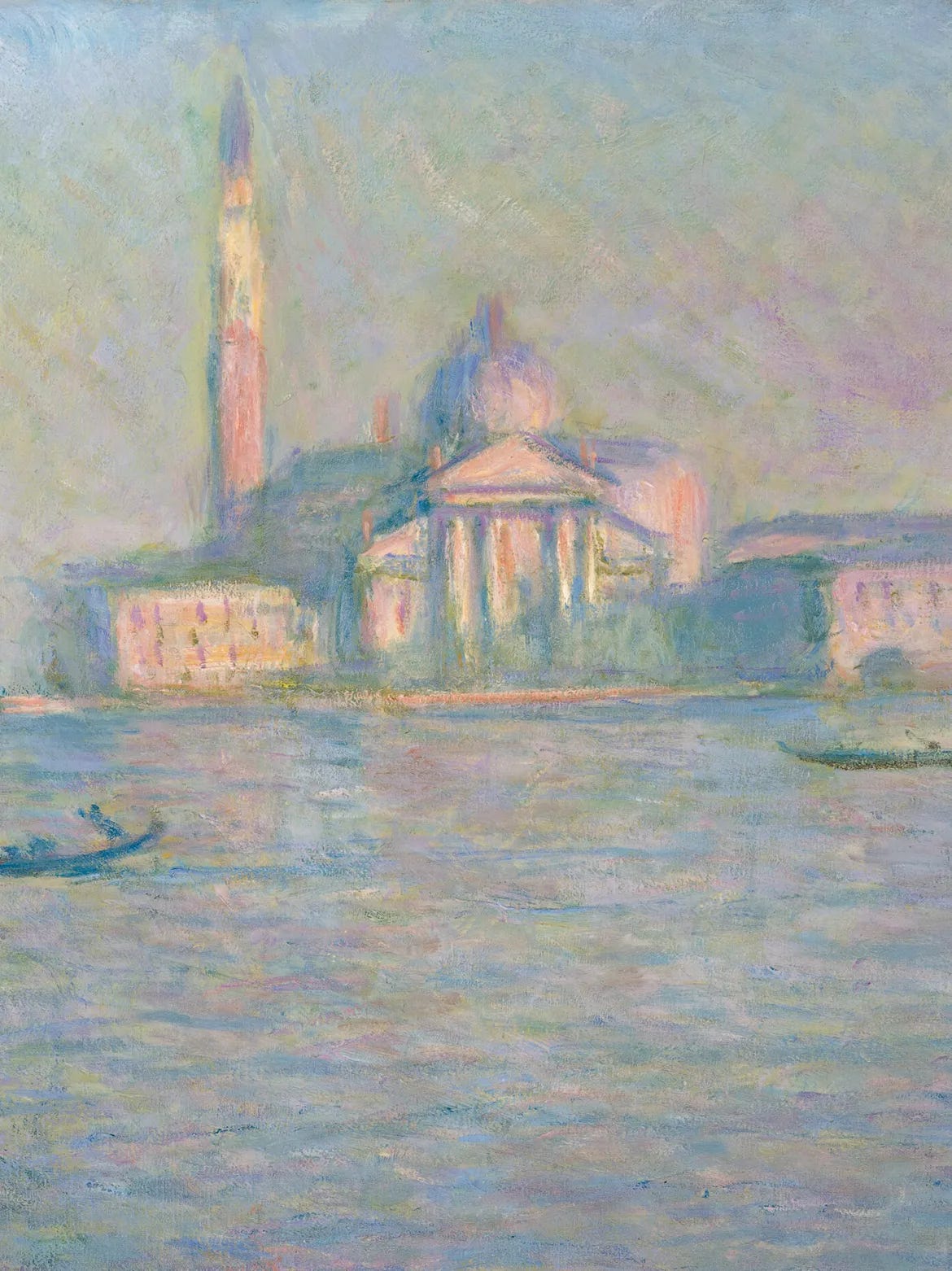
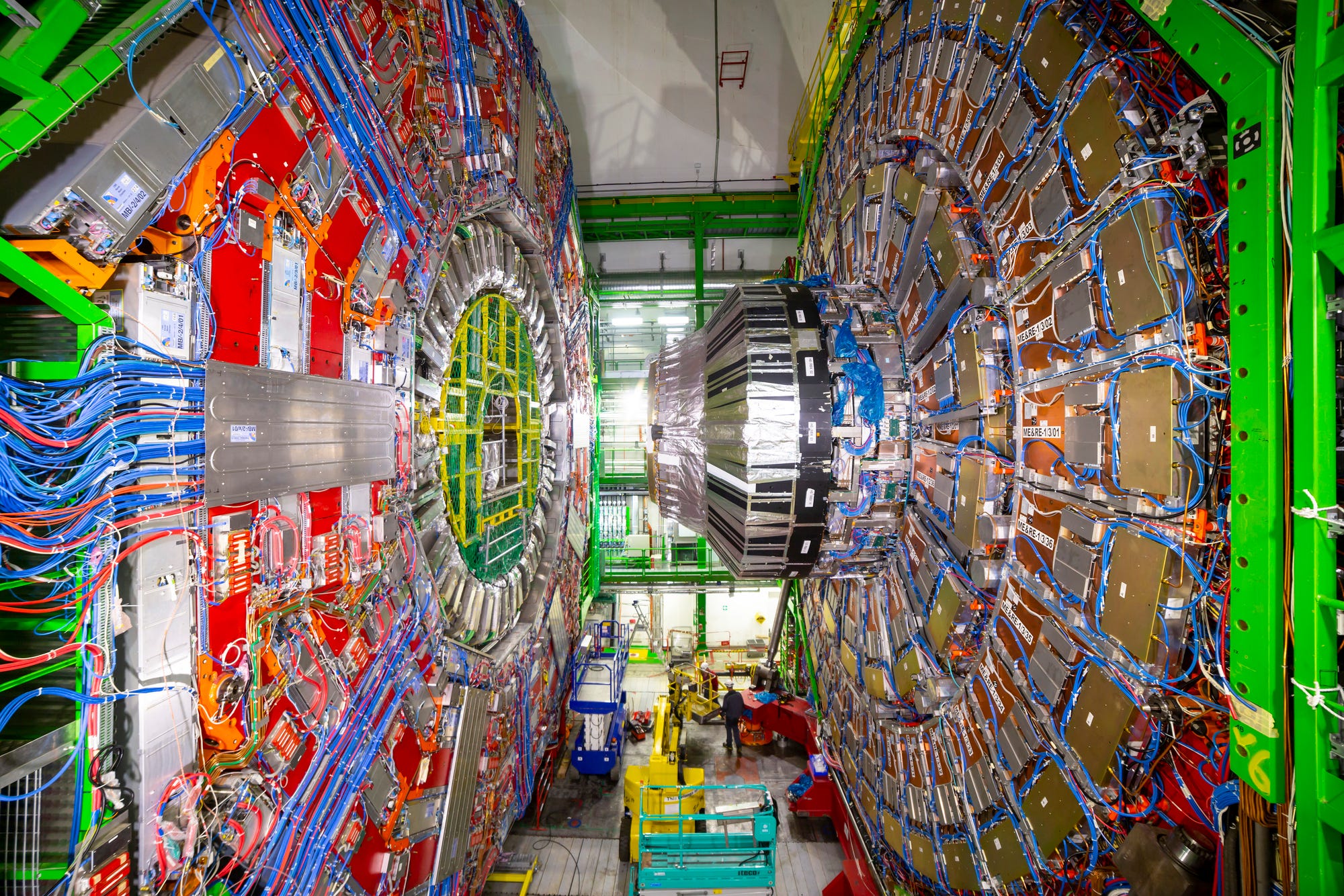
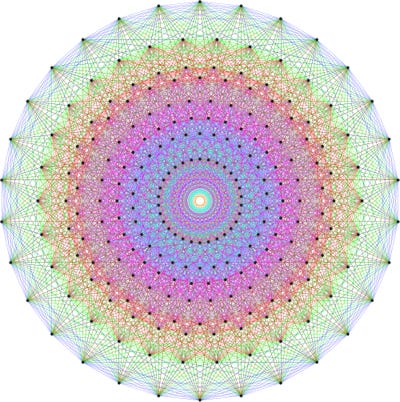
But who is this ‘us’, who makes all these things? Perhaps the ancients thought there was a soul who produced all this. 1 But for some time, we have known, what is the source of all human invention and discovery. It wouldn’t be fair to say that it is our whole being involved in that task. Certainly the stomach had no hand to play in the Sistine Chapel. But that doesn’t mean the source of the Sistine Chapel is much better than a stomach, since it is, after all, another one of our organs: the brain.
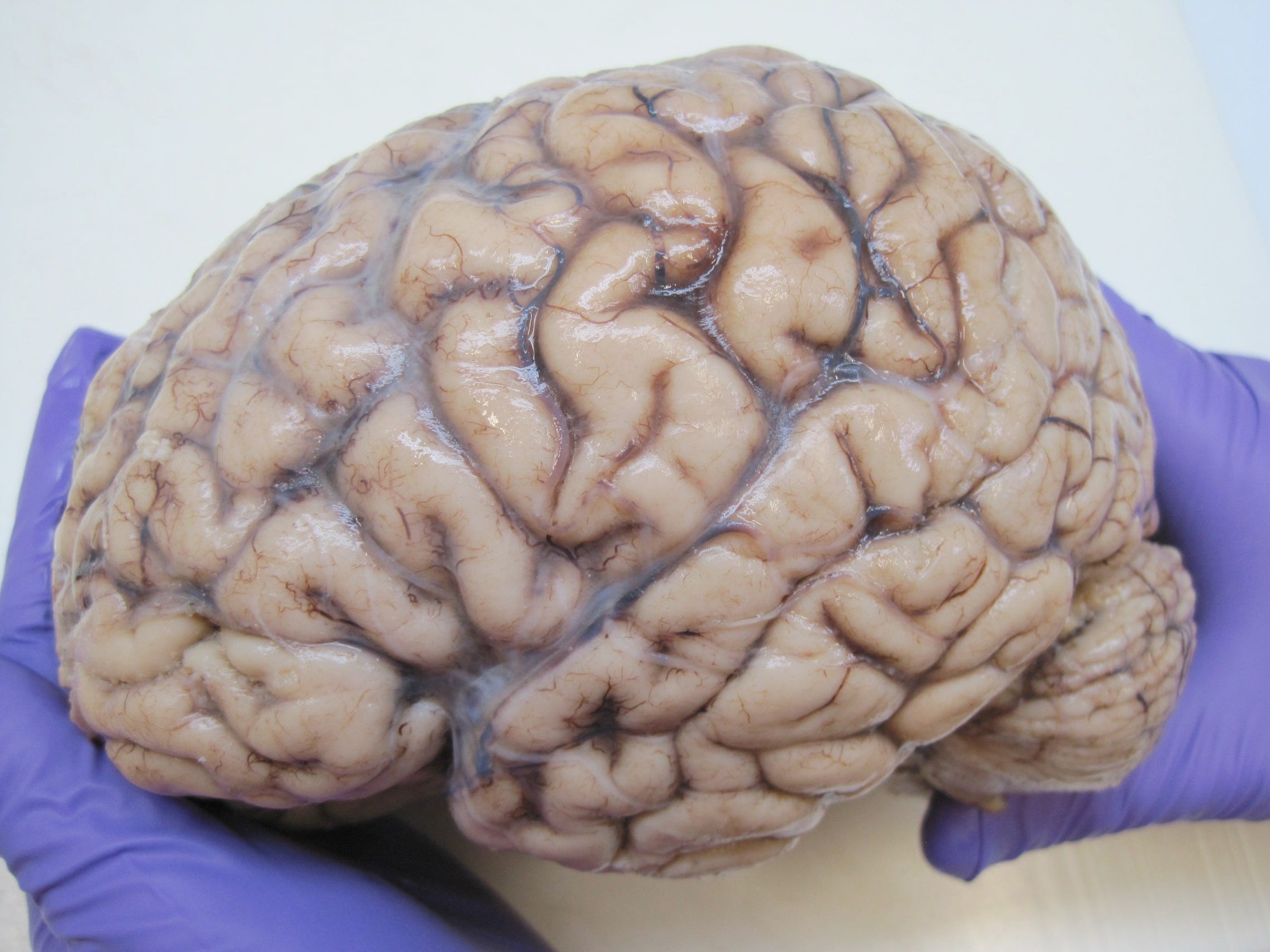
Isn’t there quite a juxtaposition, looking at that thing, together with its outputs?
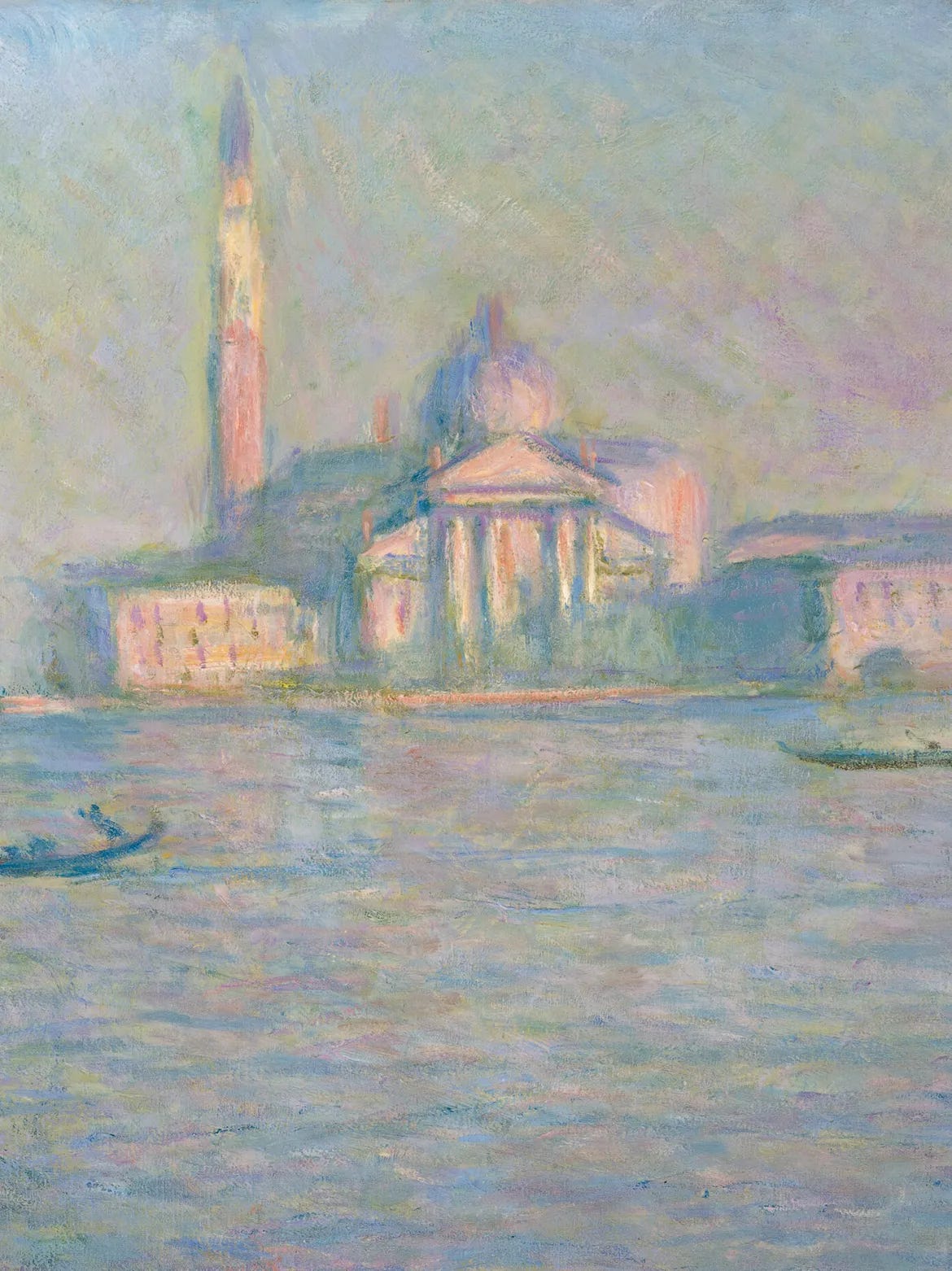
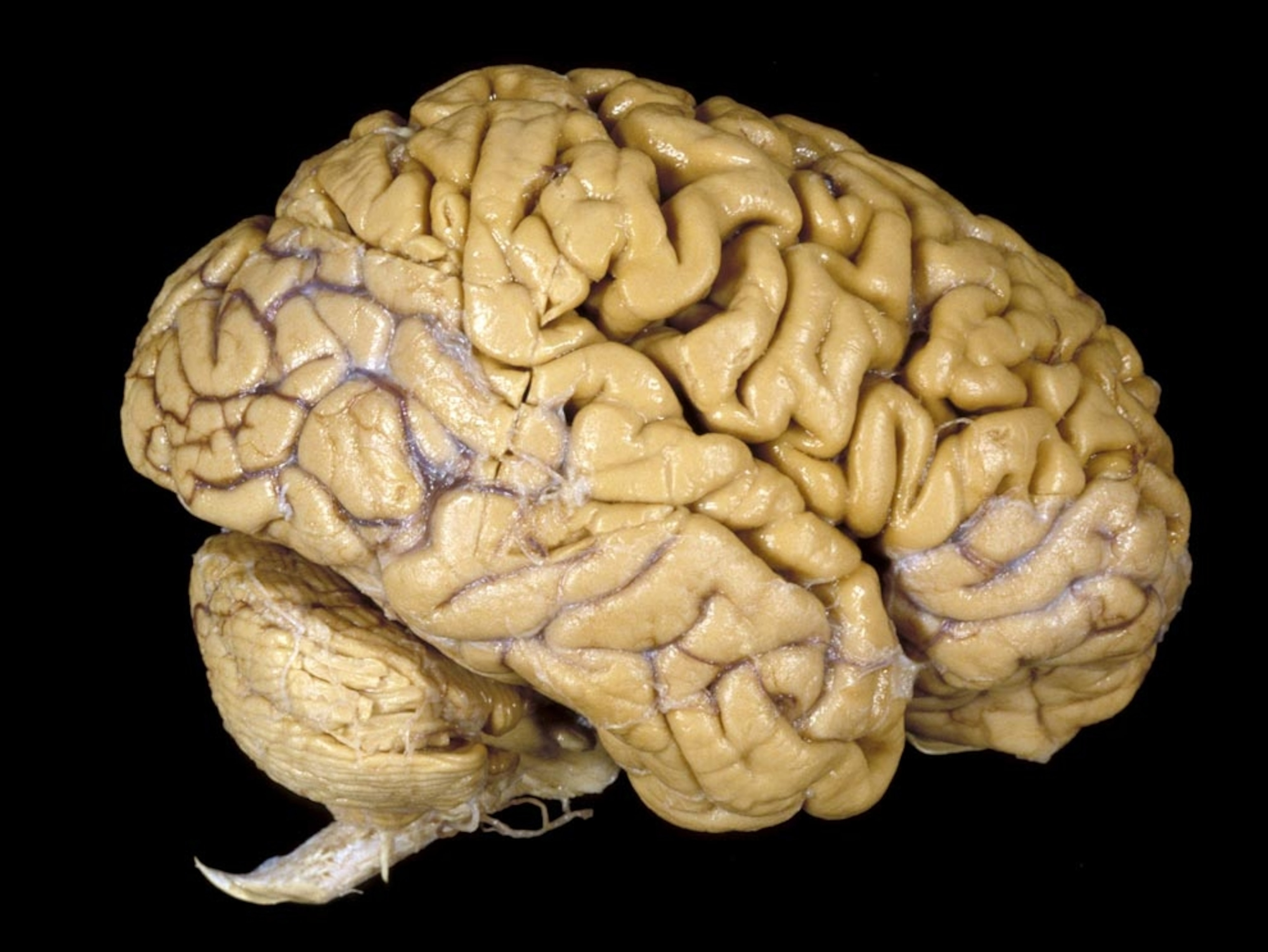
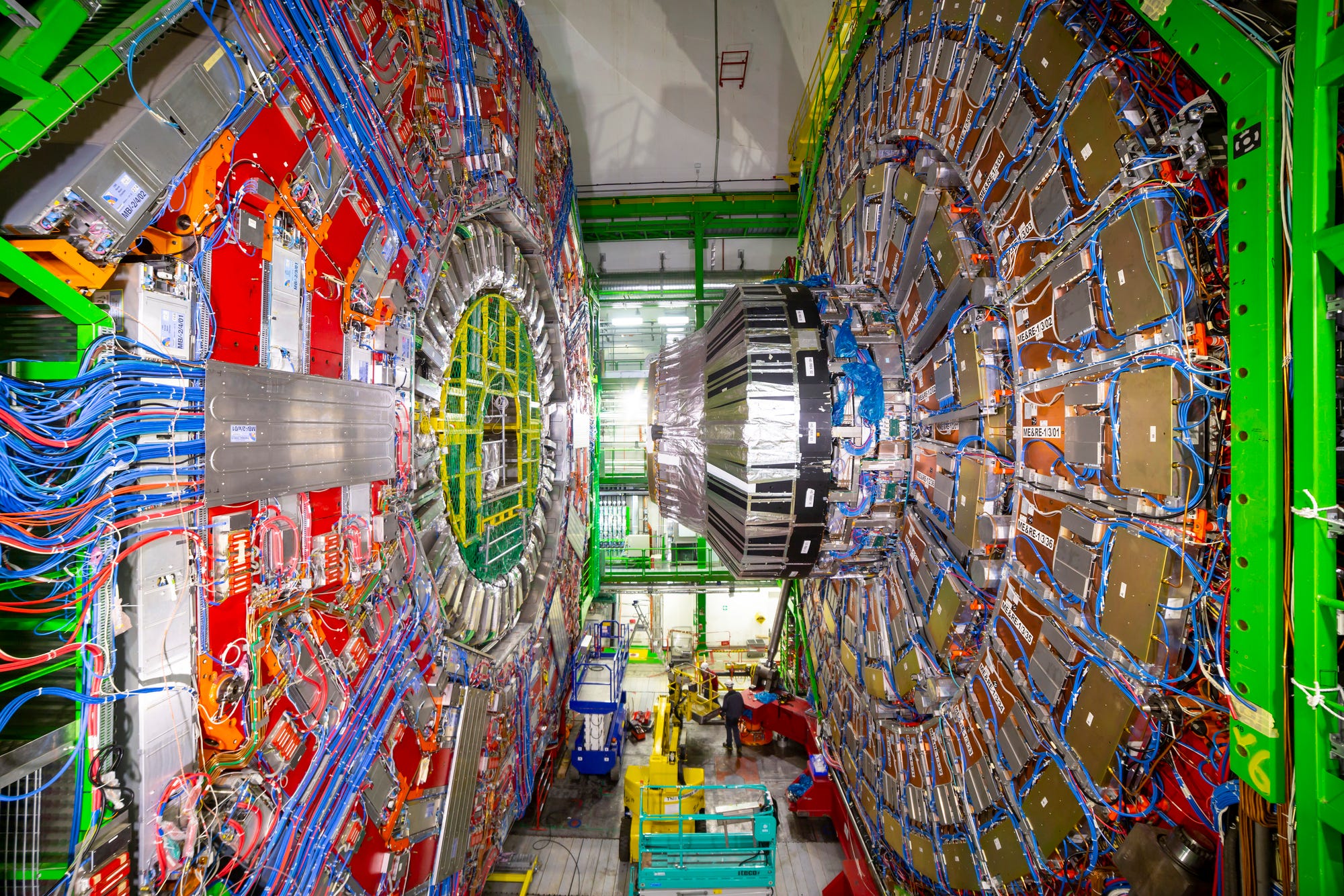
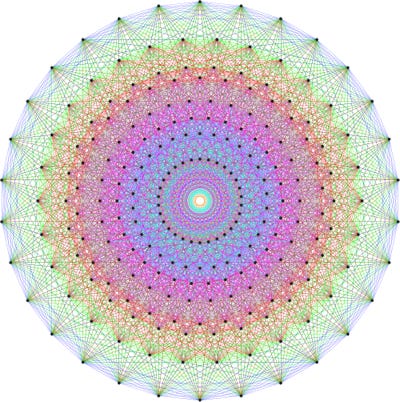
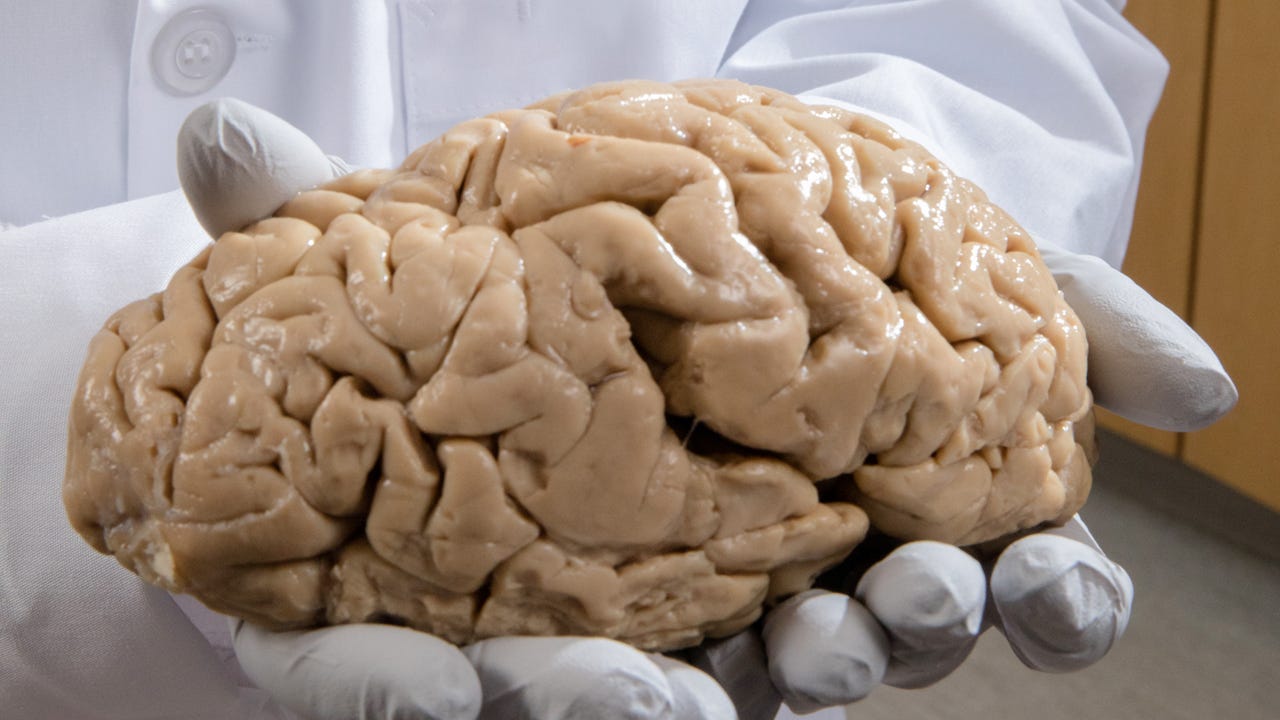
And I realize that it’s not just that the thing is profoundly grotesque, it’s that it’s narcissistic in a way, it really likes its own outputs.2
But really, look at that thing called a brain, the organ that named itself:
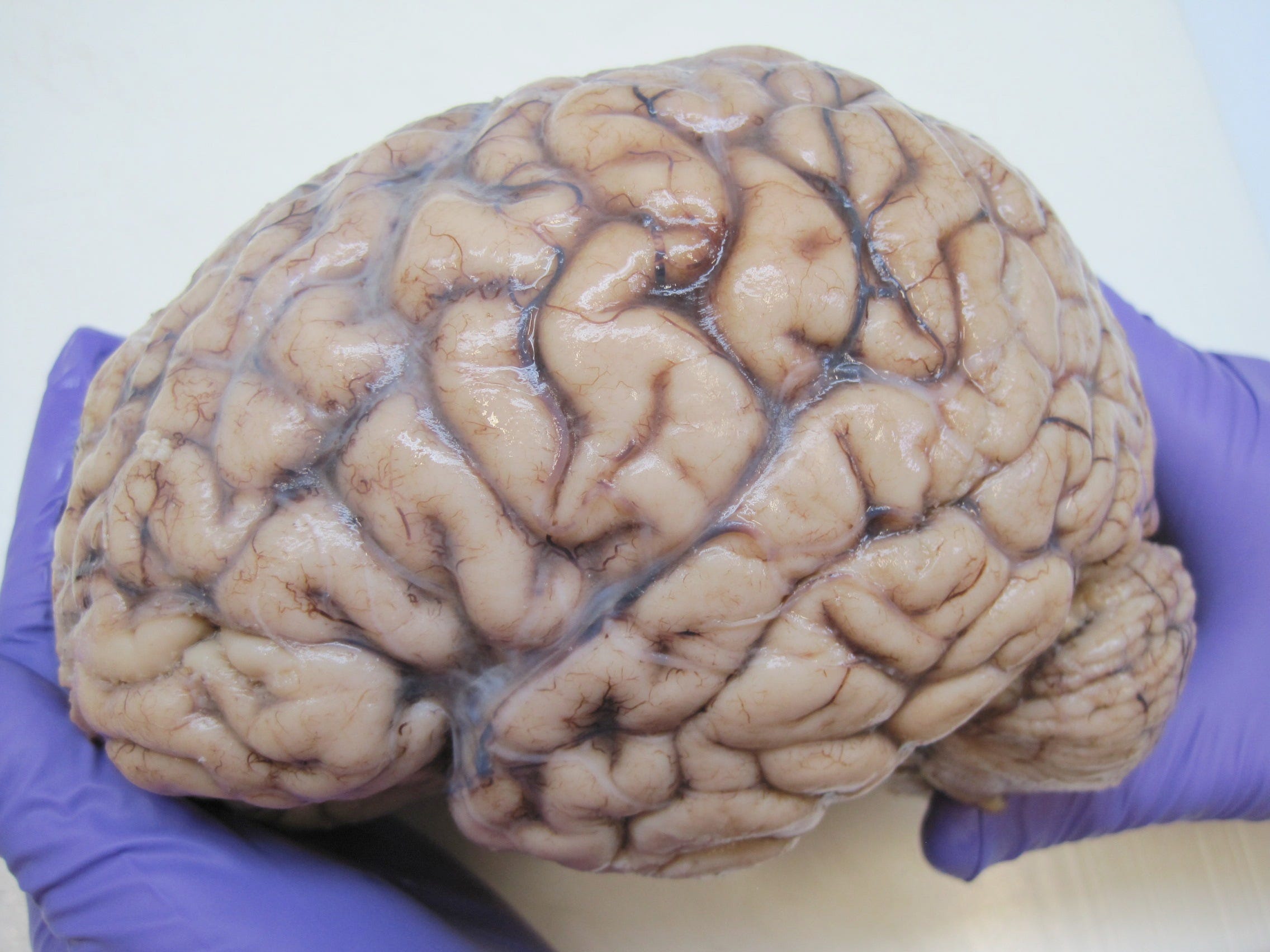
Does this look like the sort of thing that can be trusted?
I’m going to explore the position that, no, it can’t be trusted. It can be called neuropessimism.
Does this look like the sort of thing that can be trusted?
I’m going to explore the position that, no, it can’t be trusted. It can be called neuropessimism.
Neuropessimism proceeds from a single axiom:
Everything the brain does should be rejected
But of course. How could the outputs of a squishy, messy, evolved piece of meat ever be something to look up to or rely on?
Isn’t neuropessimism itself one of those outputs?
Yes, that’s the fundamental contradiction of neuropessimism, then again, it’s only brains that care about contradictions. The status quo also has its central contradiction, which is enjoying the outputs of brains without celebrating brains themselves. If you enjoy X, surely you have to enjoy the source of X.
Doesn’t a neuropessimist need to immediately kill themselves?
No, since fortunately, not everything is made by brains.
Isn’t all experience mediated by the brain?
That would be the most rarefied neuropessimism, figuring out how to perceive reality without a brain.
This seems like a flavor of nihilism
Ah, not really, because one thing that is entailed by neuropessimism is that nature, that which is not the output of a brain, is incredibly valuable, indeed the only thing that is valuable.

This is too reductive, it’s humans who make all this stuff, not brains
Oh no, a human is a brain, you can lose all your body but if your brain still works you can do everything (see: Stephen Hawking). Meanwhile, if your brain dies but the body keeps chugging, you’re effectively dead. The heart and gut also have neurons, true, and it’s an interesting question whether despite the small amount of neurons in each they may have outsized influence on the brain, which if so, would be yet another reason to reject the brain.
Another thing that is potentially untouched by brains is spirituality, but then, this is a philosophical or antiphilosophical essay and I won’t be touching that.
This is proving to be a really difficult essay to write, since everything that I think is good or desirable is in reality what the brain thinks is good or desirable.
Looking at the brain of course, perhaps that thing was never really meant to be judging what is good, and it’s certainly a take on the Garden of Eden that the Fall is the moment the brain started imposing its garbled, kludgy notions of good and evil on a pristine creation...
This is definitely a perspective that is impossible to live out, short of achieving really, truly, for real, nirvana, the absence of the brain forming judgements on reality, ditching a feature, perhaps bug, that the brain should have never had.
But it is nevertheless fun to explore in an intellectual way.
So a neuropessimist would have to spend plenty of time in nature. They would also have to avoid people entirely, since who cares about the mangled cogitations of brains?
These includes avoiding even things like art, philosophy, and math. It casts the notion of elegance in a suspicious light: perhaps the beauty of an elegance, expressing simply something complex, is something akin to cognitive baby food. A brain could not handle reality as it is, with all its infinite detail, so it is lured by the promise of simplifying reality, similar to how a baby cannot eat the more complex tougher foods that adults eat.
So perhaps one other consequence of neuropessimism would be to seek out natural complexity. Probably biology is the best scientific discipline for that, though a neuropessimist biology would be a collection of facts without seeking the sorts of simplistic theories the brain craves.
Neuro-optimism?
Alternatively, one could take the opposite view, that instead of the brain being suspect, all of its outputs are suspect too, the brains outputs are good, so therefore, the brain must be good as well. Neuro-optimism. One must gain an aesthetic and an engineering appreciation for the brain on this path, which seems rather difficult for brains to do.
Being the guy, or well, brain, that came up with neuropessimism, this seems a lot harder than the already difficult neuropessimist path. We would have to start making statues of brains, have a national holiday about the brain.
Neuropessimism slots in neatly as a fairly ascetic posture, but neuro-optimism would just be something totally bizarre and unprecendented.
Neuropessimism, however, rests on a logical fallacy known as affirming the consequent. Perhaps we (or well, me) have an expectation that a beautiful thing would produce other beautiful things. So when I see the best outputs of human brain and wind it back to their source, I am dismayed to find out that that source is not beautiful. But just because I expect beautiful things to themselves produce beauty, it does not mean that I should expect that if I have found a beautiful thing, that means it must have come from something beautiful.
Laying this fallacy bare does render the brain in a significantly different light to me. It actually looks like something glorious, the apex of billions of years of evolutionary struggle. Perhaps one thinks it’s more convoluted than it needs to be, but perhaps it’s just as convoluted as needed to produce an organ capable of understanding reality. Which definitely says something of reality.
If there is a creator, He, or It, or She3 clearly favors circuitous ways, meaning perhaps there is something Luciferian about straight lines, especially taking a very broad view of “straight line” to encompass things like reason and so on.
I know there is something very Taoist about that, the perfection of crooked ways, and looking up “crooked” in the Tao Te Ching I find a very choice quote:
True perfection seems imperfect,
yet it is perfectly itself.
True fullness seems empty,
yet it is fully present.
True straightness seems crooked.
True wisdom seems foolish.
True art seems artless.
The Master allows things to happen.
She shapes events as they come.
She steps out of the way
and lets the Tao speak for itself.4
The brain may be an unexpected Taoist symbol.
And on a Taoist note, I must let my poor brain rest. I already have it do highly unnatural things so often, being a software developer and all. I should spend more time at the beach, with an unfocused gaze, perhaps gently drooling. And that would be consistent with neuropessimism anyway, so...
Socrates famously thought he could prove reincarnation from the fact that we can learn geometry.
Except it’s not that narcissistic, since it quite clearly hates how it really looks, but then, it never evolved to see itself.
I’m more partial to It.
Speaking of donkeys are you familiar with the Hindu Goddess Maa Kalaratri who is pictured riding a donkey.
Which is also to point out that we Westerners do not even begin to take into account that Death Is the Constant Message her
http://beezone.com/latest/death_message.html http://beezone.com/whats-new
http://www.adidaupclose.org/death_and_dying/index.html
Meanwhile everything that one experiences both internal and external is a fabrication of and a projection of one's brain and nervous system patterning - everything.
Besides which what is the nature of the self?
http://www.consciousnessitself.org
http://www.integralworld.net/reynolds6.html
And that all of this is a Light Show, or Reality Itself Is Indivisible Conscious Light
http://www.integralworld.net/reynolds15.html
http://www.dabase.org/hardware.htm Hardware Software & Transcendence
http://beezone.com/adida/touch.html